Seasonal Marketing with AI: Preparing for Peak Periods


Understanding Seasonal Marketing with AI
Seasonal marketing is a strategy that businesses use to capitalize on specific times of the year when consumer interest and demand peak. This approach requires precise planning and execution to ensure that marketing efforts align with consumer expectations and behaviors. With the advent of artificial intelligence (AI), businesses can now enhance their seasonal marketing strategies with data-driven insights and automation.
AI technology allows marketers to analyze large datasets to identify trends and patterns. These insights help businesses forecast demand and tailor their campaigns to meet specific seasonal needs. By leveraging AI, companies can create more personalized and effective marketing strategies that resonate with their target audience.
Benefits of AI in Seasonal Marketing
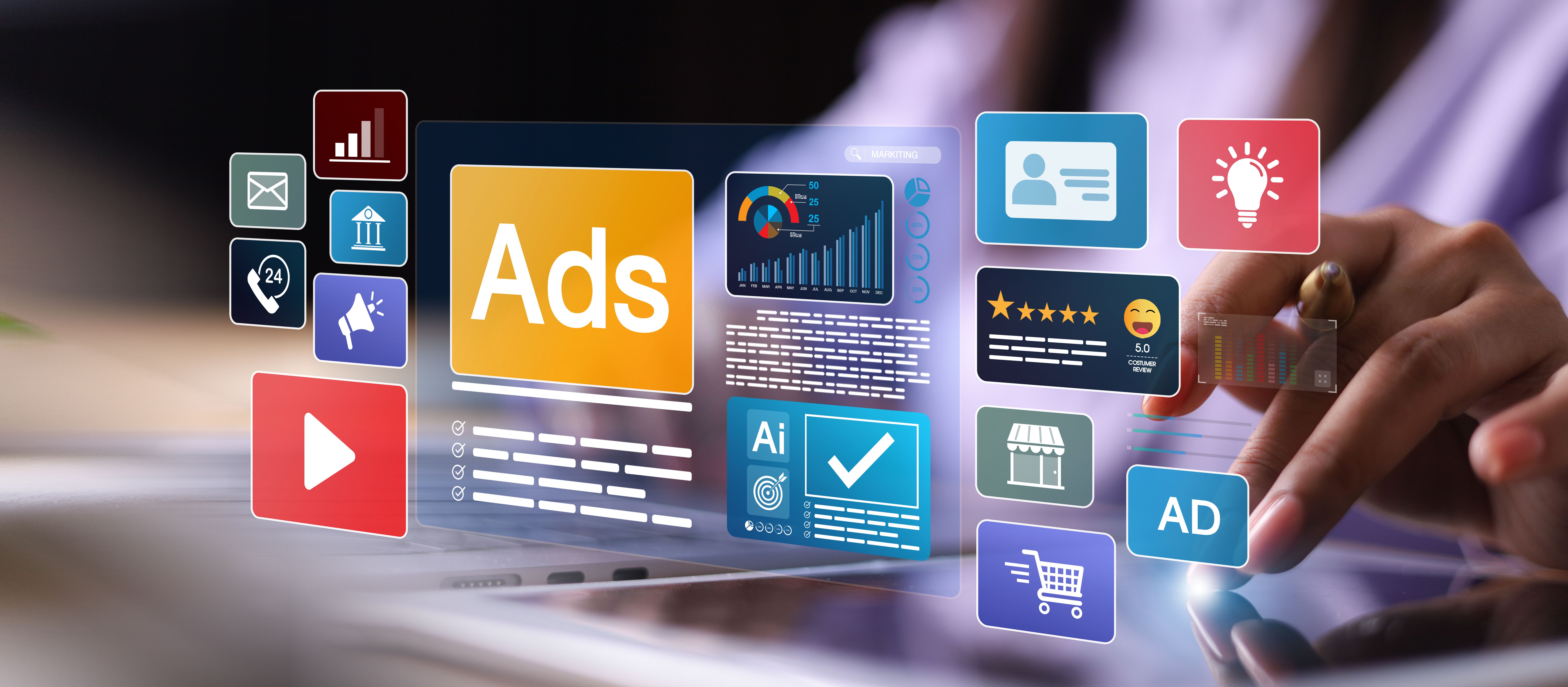
One of the primary benefits of using AI in seasonal marketing is the ability to predict consumer behavior with greater accuracy. AI algorithms can process historical data, social media trends, and other relevant information to forecast demand spikes and consumer preferences during different seasons.
Moreover, AI can automate various aspects of marketing campaigns, such as ad placement, content creation, and customer segmentation. This automation allows marketers to focus on strategy and creativity rather than getting bogged down by repetitive tasks. As a result, businesses can respond more quickly to market changes and optimize their marketing efforts in real-time.
Preparing for Peak Periods
Preparing for peak periods requires businesses to be proactive in their marketing strategies. AI can assist by providing insights into the best times to launch campaigns and the most effective channels to use. This strategic planning ensures that marketing efforts are not only timely but also reach the right audience.
To effectively prepare for peak periods, businesses can follow a few key steps:
- Analyze Past Performance: Use AI to review past seasonal campaigns and identify what worked well and what didn't.
- Forecast Demand: Leverage AI tools to predict consumer demand and adjust inventory and marketing strategies accordingly.
- Develop Targeted Campaigns: Create personalized content and offers that cater to the specific needs and preferences of your audience.

Challenges and Considerations
While AI offers numerous benefits, there are challenges to consider. Implementing AI requires a significant investment in technology and training. Companies must ensure that their teams are well-versed in using AI tools effectively.
Additionally, data privacy is a critical concern. Businesses must ensure they comply with data protection regulations and maintain consumer trust. By being transparent about data usage and prioritizing security, companies can mitigate these challenges and leverage AI to its fullest potential.
Conclusion
Seasonal marketing with AI presents a powerful opportunity for businesses to enhance their campaigns and achieve better results. By understanding consumer behavior, predicting trends, and automating processes, companies can maximize their marketing efforts during peak periods.
As AI technology continues to evolve, its role in seasonal marketing will only grow. Businesses that embrace AI now will be better positioned to stay ahead of the competition and meet the ever-changing demands of their customers.